
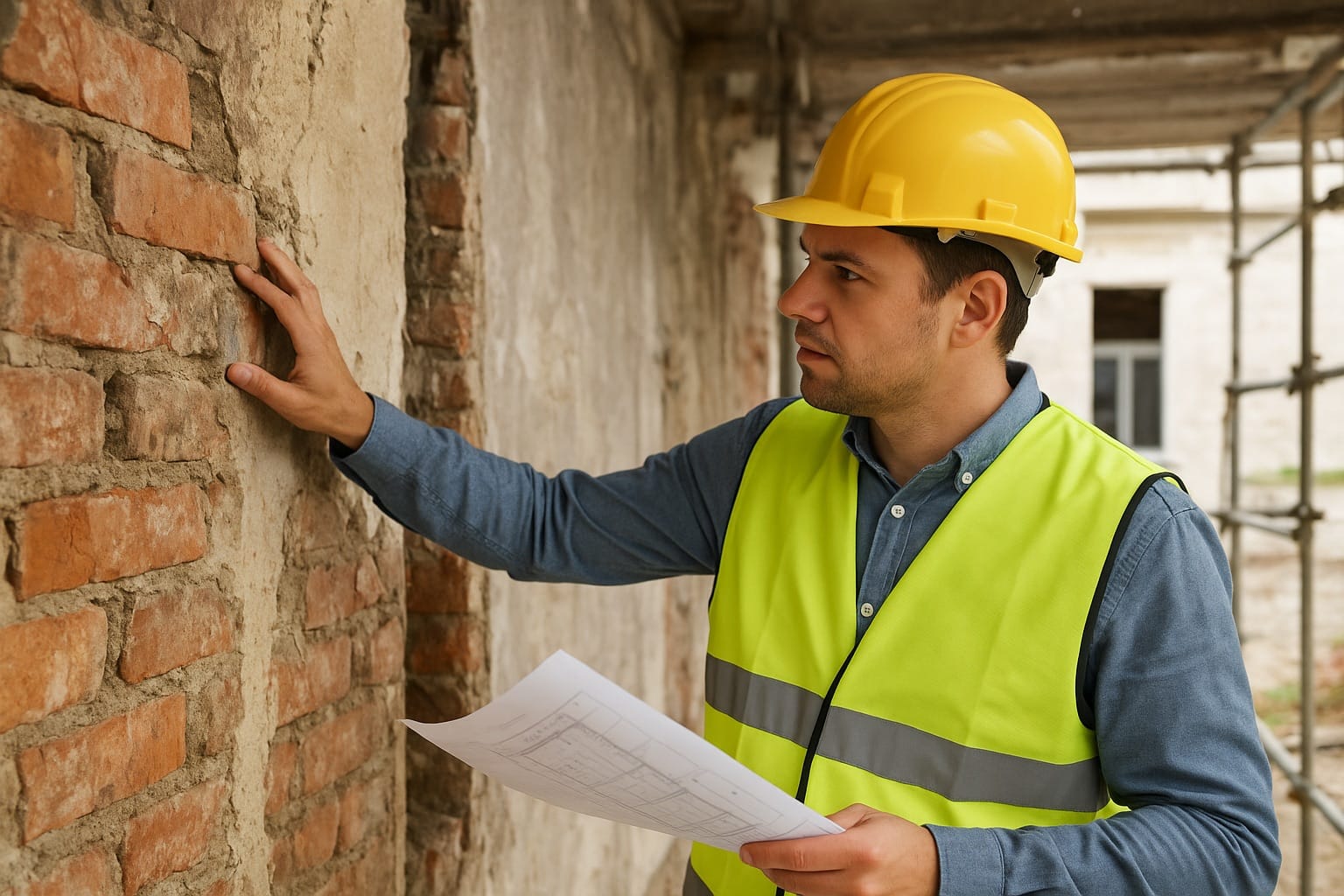
A Building Surveyor plays a pivotal role in the construction and property sector—assessing, advising, and safeguarding buildings. Whether involved in new developments, conservation of historic structures, or maintenance of existing buildings, Building Surveyors ensure safety, legal compliance, and sustainable performance. In this guide, we explore what they do, why their role matters, and how they benefit clients and projects.
1. Who Is a Building Surveyor?
A Building Surveyor is a qualified professional responsible for evaluating the condition of buildings and offering technical guidance. Their remit spans defect investigations, renovation advice, legal compliance, and sometimes restoration of heritage properties—effectively covering the entire building lifecycle.
2. Key Responsibilities
Building Surveyors undertake a diverse set of core tasks, including:
Structural and defect evaluation: Identifying damage, cracks, moisture issues, or safety risks in buildings.
Reporting and recommendations: Producing detailed surveys that outline faults and propose repair or maintenance strategies.
Regulatory and planning advice: Guiding clients through building regulations, planning laws, fire safety, accessibility, and energy codes.
Project and contract management: Coordinating with architects, contractors, and clients to ensure projects stay on time, in budget, and meet quality standards.
Specialist services: Working on heritage conservation, sustainability improvements, insurance claims, and legal disputes such as party wall or boundary issues.
3. Daily Work: On Site & In Office
Most Building Surveyors split their time between site inspections and office work:
On-site tasks: Inspecting building fabric, measuring defects, supervising repairs, and engaging with site teams.
Office responsibilities: Drafting technical reports, cost estimates, renovation plans, specifications, and liaising with planning or legal authorities.
4. Why They Matter
– Safeguarding Safety & Quality
Building Surveyors assess and catch problems—before they escalate. For example, a detailed Level 2 or 3 survey can uncover damp or structural risks, helping avoid costly mistakes post-purchase.
– Ensuring Legal & Regulatory Compliance
From fire safety to accessibility, surveyors keep buildings compliant with evolving regulations—crucial for avoiding fines, delays, or dangerous oversights.
– Cost-Effective Planning & Maintenance
By diagnosing defects early, they help prioritize maintenance, prevent expensive repairs, and inform sustainable upgrades.
– Preserving Heritage & Sustainability
In heritage projects, surveyors help maintain historical integrity while improving efficiency. They also guide energy-saving adaptations for modern use.
5. Qualifications & Career Path
Becoming a Building Surveyor usually involves:
A degree or professional qualification in surveying, construction, or civil engineering.
Many seek Chartered Building Surveyor status via RICS, which enhances credibility and career prospects.
Salaries in the UK range from £25,000 for juniors to £65,000+ for experienced professionals.
6. Benefits for Clients & Projects
Accurate condition reporting ensures informed investment decisions.
Clear repair strategies reduce delays and remove uncertainty.
Regulatory guidance helps navigate complex compliance requirements.
Specialist insights for heritage, sustainability, or insurance boost long-term value.
A Building Surveyor is essential to ensuring that construction and property decisions are safe, compliant, and sustainable. Their expertise protects clients from costly surprises, guarantees regulatory adherence, and adds confidence to every stage—from plan to execution. For clients like WeStruct engineering, showcasing this role highlights reliability, professionalism, and deep domain expertise.