
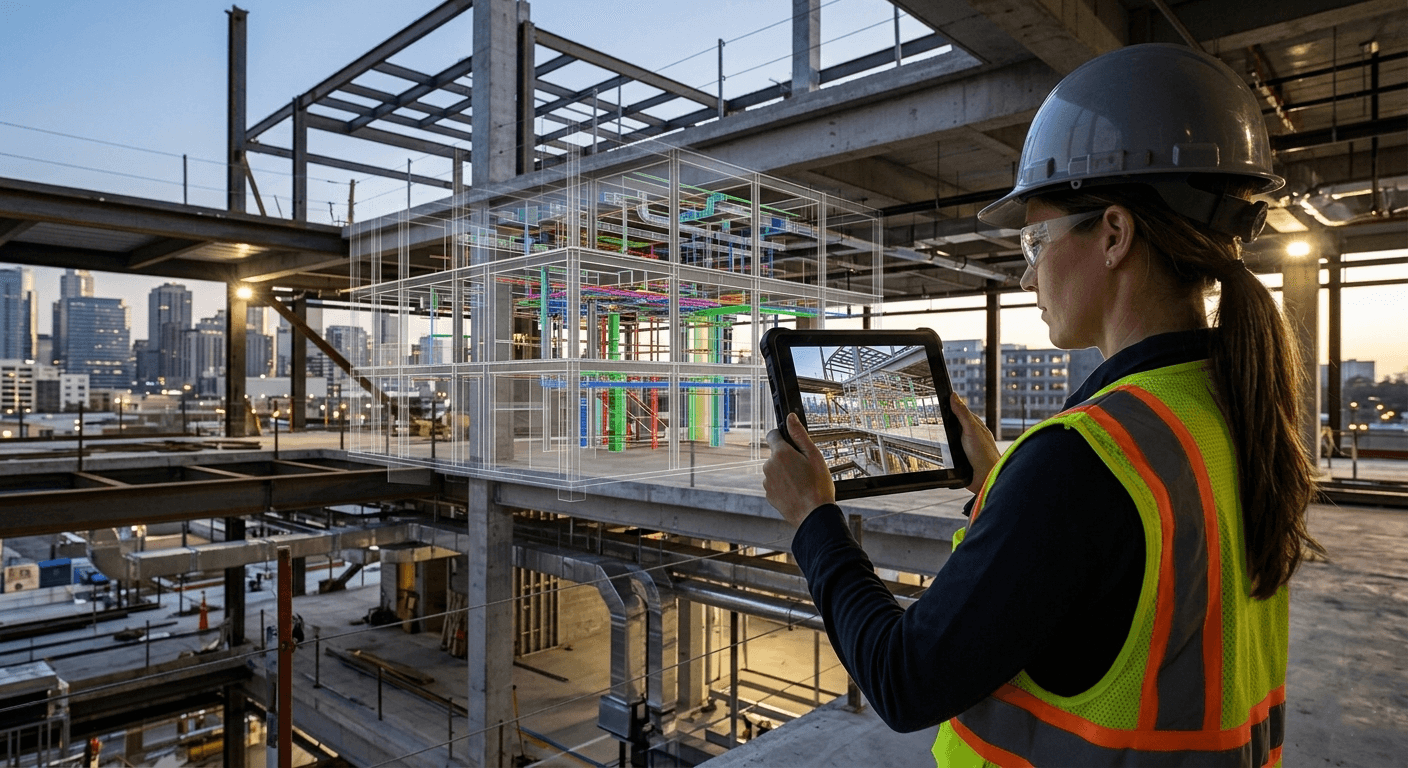
The Digital Shift in Engineering
A Building Information Model BIM represents a fundamental shift in how modern structures are planned, designed, constructed, and managed. It is no longer sufficient to rely solely on two-dimensional drawings to communicate complex engineering concepts.
Today, the construction industry demands precision, collaboration, and data-rich environments. This is exactly what a digital modeling approach provides. At WeStruct, we leverage this technology to bridge the gap between architectural vision and structural reality, ensuring that every beam, column, and foundation is perfectly coordinated before physical construction begins.
What Exactly is a Building Information Model BIM?
Many people mistakenly believe that this term simply refers to 3D design software. In reality, a Building Information Model BIM is an intelligent, highly collaborative process centered around a shared digital representation of a physical asset.
It is not just about the geometry (the 3D shape) of a building. It is about the information embedded within that geometry.
Data Integration: Every element in the model contains detailed specifications, such as material type, weight, fire rating, and manufacturer details.
Lifecycle Management: The model is used not just for construction, but also for the ongoing facility management of the building over its entire lifespan.
Multi-Disciplinary Collaboration: Architects, structural engineers, and MEP (Mechanical, Electrical, and Plumbing) contractors all work within, or closely coordinate with, the same master model.
Core Advantages for Your Project
Utilizing a robust digital framework offers undeniable advantages that directly impact the bottom line and project timeline.
1. Advanced Clash Detection
One of the most powerful features of a Building Information Model BIM is its ability to perform “clash detection.” In traditional 2D drafting, it is easy for a structural beam to accidentally intersect with an HVAC duct.
By combining the structural, architectural, and mechanical models in a 3D space, software algorithms automatically flag these physical intersections (clashes) before they happen on the construction site. Resolving a clash digitally takes minutes; resolving it on-site costs thousands of pounds in delays and rework.
2. Precise Material Takeoffs
Because every structural element is defined by exact data, the model can automatically generate highly accurate material quantities. This means estimators can order the exact amount of steel, concrete, or timber required, drastically reducing site waste and controlling project budgets.
3. Enhanced Visualization and Communication
Interpreting complex 2D blueprints can be difficult for clients and stakeholders who do not have a technical background. A 3D model allows everyone involved to take a virtual walkthrough of the structure. This visual clarity ensures that the client’s expectations align perfectly with the engineering deliverables.
How WeStruct Implements This Technology
At WeStruct, we do not treat digital modeling as an optional add-on; it is central to our engineering workflow. We use industry-leading software to create precise structural models for everything from large commercial developments to complex residential builds.
This methodology is particularly crucial when coordinating with our other specialized services. For example, when undertaking complex Civil and Remediation works, having a mapped digital environment of the existing subterranean structures and proposed earthworks ensures absolute accuracy during the cut and fill phases.
Furthermore, we align our processes with the industry standards set out by the UK BIM Framework, ensuring that our data management and collaborative processes meet the highest national requirements for digital construction.
The Future of Construction
The construction sector is rapidly digitizing, and regulatory bodies are increasingly mandating digital delivery for public and large-scale private projects. Adopting a Building Information Model BIM is no longer just a competitive advantage; it is becoming the baseline standard for professional engineering.
By investing in a data-driven approach, you de-risk your project, streamline communication, and pave the way for a more efficient construction phase. The intelligence built into the digital model pays dividends long after the final brick is laid.
Contact WeStruct today to discover how our advanced digital modeling and structural engineering expertise can bring unparalleled precision to your next project.