
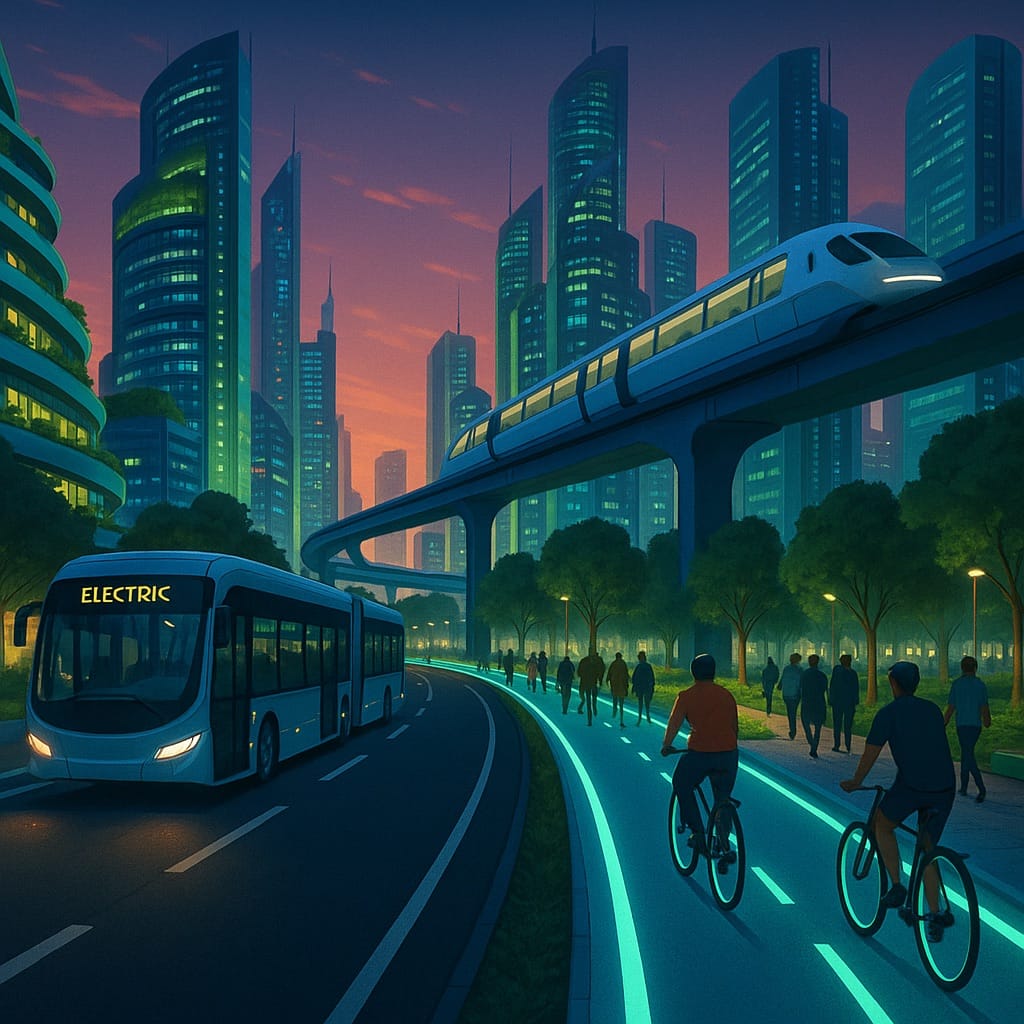
As urban populations swell and the urgency of climate change intensifies, the way we design our cities and move people and goods has never been more critical. A forward-thinking transport strategy is no longer just about managing traffic; it’s about shaping resilient, equitable, and liveable urban environments for generations to come. At its heart lies the principle of sustainability, a comprehensive approach that balances economic vitality, social equity, and environmental protection.
For engineering firms like WeStruct, which stand at the nexus of planning, design, and construction, understanding and implementing a sustainable transport strategy is paramount. This article delves into the core components of a modern transport strategy, the pivotal role of civil and structural engineering, and the innovations paving the way for the future of mobility.
What is a Transport Strategy?
A transport strategy is a comprehensive, long-term plan designed to guide the development and management of transportation systems and services within a specific area, such as a city, region, or nation. The primary goal is to create an efficient, safe, and reliable network that meets the current and future needs of its users. Historically, these strategies often prioritised private vehicle movement, leading to the urban sprawl and congestion many cities face today.
However, the contemporary definition has evolved significantly. A modern, sustainable transport strategy aims to:
Reduce Reliance on Single-Occupancy Vehicles: Actively promoting alternatives to private cars to cut down on congestion, noise pollution, and emissions.
Integrate Land Use and Transport Planning: Ensuring that new developments are compact, mixed-use, and well-connected to public transport, minimising the need for long-distance travel.
Prioritise Sustainable Modes: Placing walking, cycling, and public transit at the top of the transport hierarchy.
Enhance Economic Competitiveness: Facilitating the efficient movement of goods and people to support business and economic growth.
Improve Social Equity: Ensuring that all members of the community, regardless of age, income, or physical ability, have access to affordable and accessible transport options.
The Pillars of a Successful Sustainable Transport Strategy
Crafting a strategy that achieves these ambitious goals requires a multi-faceted approach. Civil engineers, urban planners, and policymakers must collaborate on several key pillars that form the foundation of a successful plan.
1. Data-Driven Analysis and Network Planning
Before any infrastructure is designed, a deep understanding of the existing network and user behaviour is essential. This initial phase involves:
Comprehensive Data Collection: Utilising technology like GPS tracking, transport management systems (TMS), and predictive analytics to gather real-time data on traffic flow, public transport usage, and pedestrian movement.
Demand Forecasting: Analysing historical data and population growth projections to accurately predict future transportation demands and plan for adequate capacity.
Network Analysis: Identifying bottlenecks, inefficiencies, and gaps in the current supply chain and transport network to pinpoint areas for improvement.
This analytical foundation ensures that investments are targeted, effective, and capable of delivering the best return for the public.
2. Prioritising Public and Active Transportation
The backbone of any sustainable urban environment is a robust public and active transport network. This involves significant engineering and design work:
Expanding Public Transit: Developing and extending public transport networks, such as bus rapid transit (BRT) systems, light rail, and metro lines, to provide reliable and efficient alternatives to driving.
Designing for People: Reallocating road space to create dedicated bus lanes, protected cycleways, and wider, more accessible pavements. This concept, known as “filtered permeability,” makes walking and cycling safer and more convenient than driving for short trips.
First and Last-Mile Connectivity: Integrating bike-sharing and scooter-sharing services with public transport hubs to solve the “first and last-mile” problem, ensuring seamless door-to-door journeys.
Cities like Paris have demonstrated the success of this approach by investing heavily in cycling infrastructure and pedestrianising large city-centre areas.
3. The Role of Technology and Smart Infrastructure
Innovation is a powerful catalyst for a more efficient and sustainable transport system. Civil and structural engineers are crucial in integrating “smart” technologies into the urban fabric:
Intelligent Transportation Systems (ITS): Implementing sensors, cameras, and communication networks to manage traffic in real-time, adjust signal timings dynamically, and provide drivers with up-to-the-minute information to reduce congestion.
Infrastructure for Electric Vehicles (EVs): Designing and building a comprehensive network of EV charging stations to support the transition away from fossil fuels. This includes planning for the increased demand on regional electrical grids.
Future-Ready Design: Creating infrastructure that can accommodate future innovations like autonomous vehicles, with dedicated lanes and smart communication systems that allow vehicles and infrastructure to interact seamlessly.
4. Sustainability and Environmental Resilience
A core objective of a modern transport strategy is to minimise environmental impact and build resilience against climate change. This is where structural and civil engineering expertise becomes indispensable:
Green Infrastructure: Incorporating sustainable urban drainage systems (SuDS), green roofs, and permeable pavements into transport corridors to manage stormwater, reduce the urban heat island effect, and enhance biodiversity.
Low-Carbon Materials: Utilising sustainable materials like recycled steel and sustainable timber in the construction of bridges, tunnels, and buildings to lower the carbon footprint of infrastructure projects.
Climate Resilience: Designing infrastructure, such as coastal roads and bridges, to withstand the impacts of climate change, including rising sea levels and extreme weather events.
5. Efficient Freight and Logistics Management
While passenger transport often gets the spotlight, the movement of goods is equally important for a city’s economic health. An effective transport strategy must include plans for clean and efficient freight logistics:
Route Optimisation: Using advanced software to plan the most efficient delivery routes, reducing fuel consumption and emissions.
Urban Consolidation Centres: Establishing hubs on the outskirts of cities where large shipments can be broken down into smaller loads for final-mile delivery by electric vans or cargo bikes.
Off-Peak Deliveries: Encouraging and incentivising freight deliveries during non-peak hours to reduce daytime traffic congestion.
WeStruct: Engineering the Future of Mobility
For a company like WeStruct, the principles of a sustainable transport strategy are woven into every aspect of their work. From the structural integrity of a new railway bridge to the material specification for a pedestrian walkway, engineering decisions have a profound impact on the functionality and sustainability of our cities.
By championing sustainable design, integrating smart technologies, and planning for a multi-modal future, civil and structural engineers are not just service providers; they are the architects of the cleaner, greener, and more connected cities of tomorrow. The challenge is immense, but with a clear and comprehensive transport strategy, the path forward is clear. It is a path built on innovation, resilience, and a commitment to creating transportation systems that serve people, the planet, and the economy.